QIYUE FAN / TEXTILE PROCESS EXTRACTION
Textile Dust Extraction Fan Replacement: Define the Suction and Return-Air Duty
“A fan for cotton dust” is not a complete replacement specification. First identify whether the fan serves machine extraction, waste transport or filtered room-air return.
Identify the process connection
List each connected machine and label the purpose of its suction connection. Keep extraction for airborne dust separate in the specification from waste removal or a machine’s production-related suction requirement. Have the machinery supplier identify the duty of each connection before replacing a shared fan.
HSE identifies cotton and wool processing as dust-control applications where material batches and processing conditions affect dust generation. It distinguishes local extraction from general ventilation and notes that travelling machine-cleaning systems are not necessarily exposure-control systems.
Three questions that change the order
1. What reaches the impeller?
Draw the fan position relative to the separator and filter. For fibre-laden air, describe fibre type, dust loading, moisture and any waste carried with it. For a clean-side fan, provide the residual condition after separation. Keep the collector arrangement and its pressure requirement attached to the fan enquiry.
2. Where does the air go?
State whether the fan discharges outdoors or returns air to the workroom. HSE advises specialist assessment of returned-air filtration and exposure control; positive-pressure filter leakage can also release dust into the work area. A fan replacement should preserve the approved air route, not introduce an unreviewed recirculation shortcut.
3. What changed since the old fan was selected?
Compare machine count, production rate, fibre blends, collector configuration and operating schedule. Request the machine supplier’s current extraction requirements. Retain the old fan’s identification and drawing as replacement evidence, but pair them with the current process duty.
Use a before-and-after connection sheet
For each machine connection, give the equipment tag, process step, purpose of suction, specified airflow, pressure at the defined connection and the machine document reference. Mark which connections operate together. Then attach the collector and duct layout used to establish the fan duty.
For an existing line, keep the latest operating record alongside the proposed arrangement: fan speed, control setting, relevant pressure readings and filter condition, with units and measurement locations. Explain whether the enquiry is a like-for-like spare, a capacity increase or a response to poor extraction. These are different purchasing decisions.
Choose the fan family after defining the duty
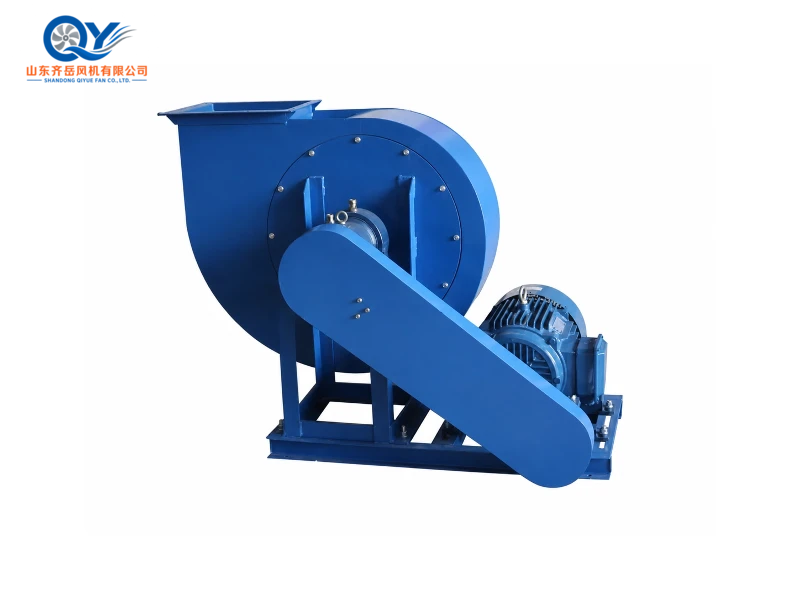
The C6-48 product page includes fine-fibre and textile-dust applications within a reviewed duty range. Compare it with the dedicated dust-collection range using the required operating point and material condition. The model name does not establish suitability for combustible dust; the project requires its own process and safety assessment.
For the complete capture-to-discharge route, see the industrial dust collection system guide.
Prepare a textile extraction enquiry
Send the process connection sheet, fan and motor nameplates, existing curve if available, collector layout, airflow and pressure basis, fibre and dust description, normal operating combinations, return-air or outdoor-discharge arrangement, electrical supply and installation dimensions. Include the changes you need the replacement to accommodate.
Process reference: HSE: Textile process dust. Apply the requirements of the project location and machinery supplier; this procurement guide does not prescribe exposure limits or a universal airflow per machine.