
High-Pressure Centrifugal Fans
Pressure-oriented centrifugal fan series for furnace blowing, forced draft, equipment air supply, high-resistance duct systems and project-reviewed clean-air conveying. Start from actual airflow and pressure, then match the selected curve and motor.

When Pressure Determines Fan Selection
A higher-pressure fan is needed when airflow must overcome resistance from ducts, bends, valves, nozzles, filters, furnace equipment or material-handling equipment. Airflow alone cannot determine the correct fan size; total resistance and the operating point on the performance curve must be reviewed together.
Process and boiler air supply with resistance from ducts, dampers, preheaters or furnace inlets.
Air supply to machines, process equipment and high-pressure duct networks.
Review 9-19 and related pressure-oriented series downstream of suitable separators or filters. Abrasive untreated dust requires separate engineering review.
Supply air to reviewed dilute-phase conveying systems; fan selection depends on material and resistance and does not imply suitability for high-pressure dense-phase conveying.
Established High-Pressure Model Families
Select the actual model from manufacturer-approved curves and project duty conditions. Airflow, pressure, gas temperature and mechanical configuration determine the suitable series.
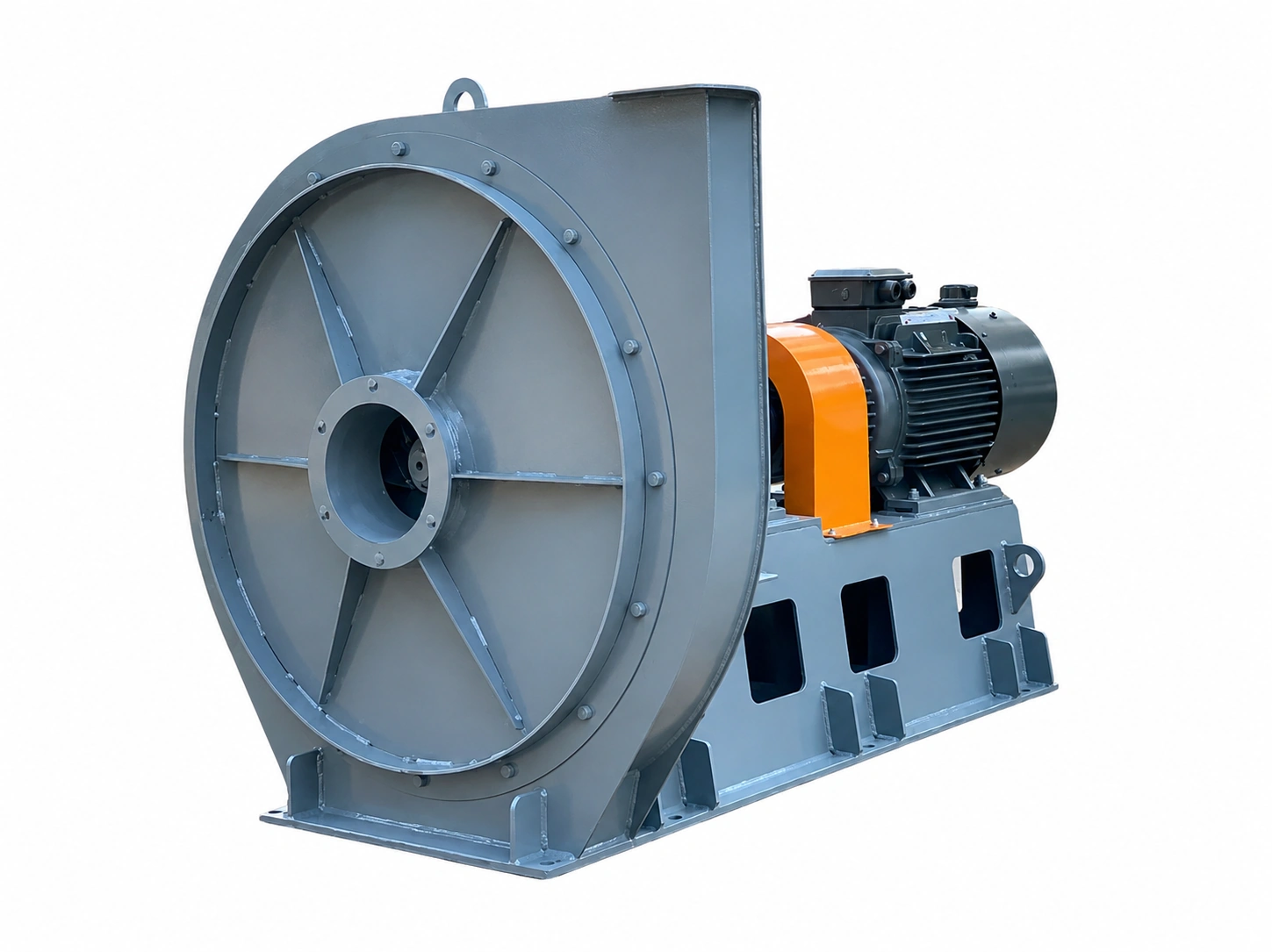 8-09 High-Pressure Fan
Furnace blowing / industrial process air. Confirm airflow and pressure at the actual working point.
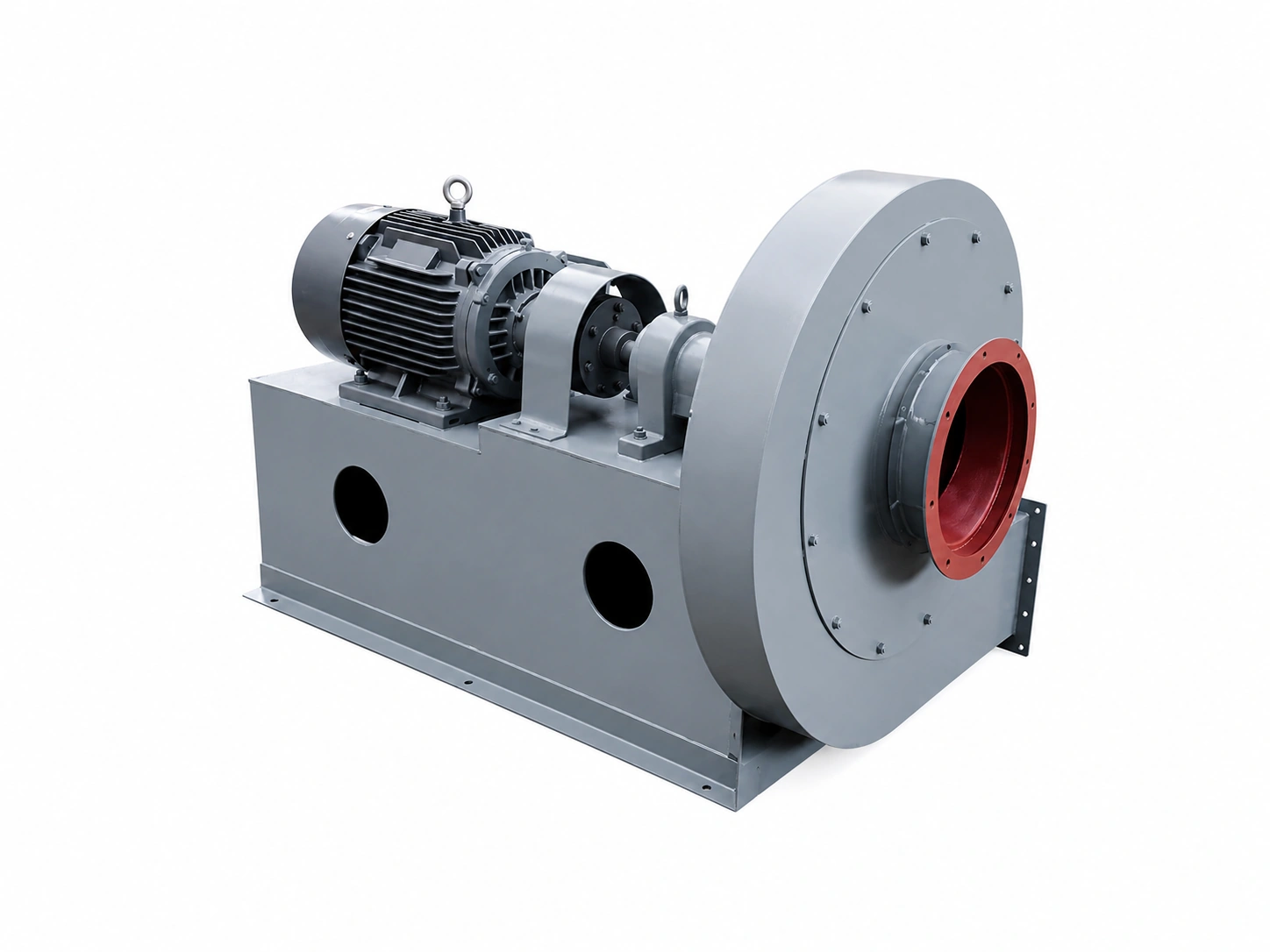 9-12 High-Pressure Fan
High-resistance duct and equipment airflow. Confirm airflow and pressure at the actual working point.
9-19 High-Pressure FanPressure-first air supply, clean-side dust collector exhaust. Confirm airflow and pressure at the actual working point.
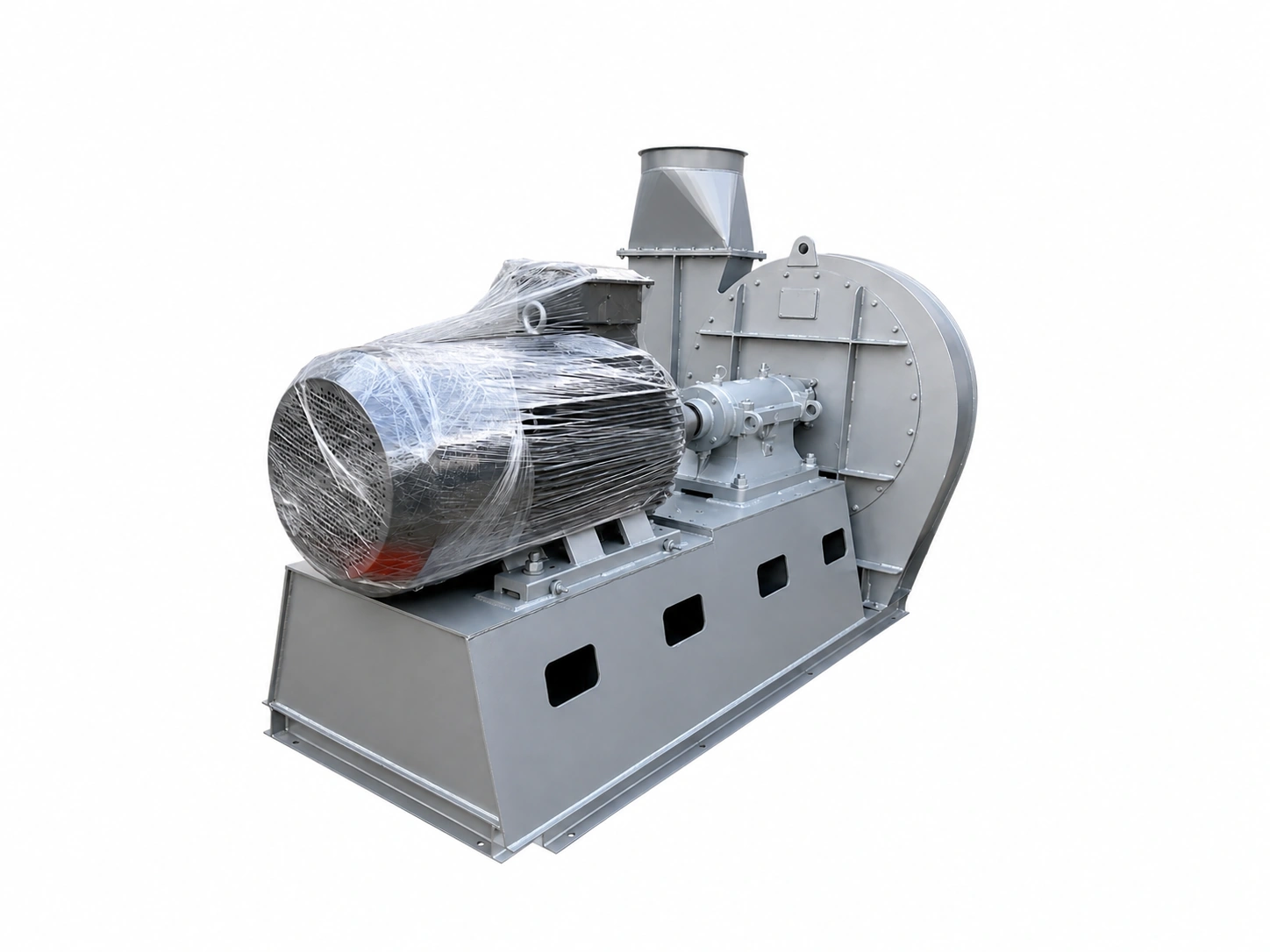 9-26 High-Pressure Fan
Higher-flow/high-pressure industrial air supply. Confirm airflow and pressure at the actual working point.
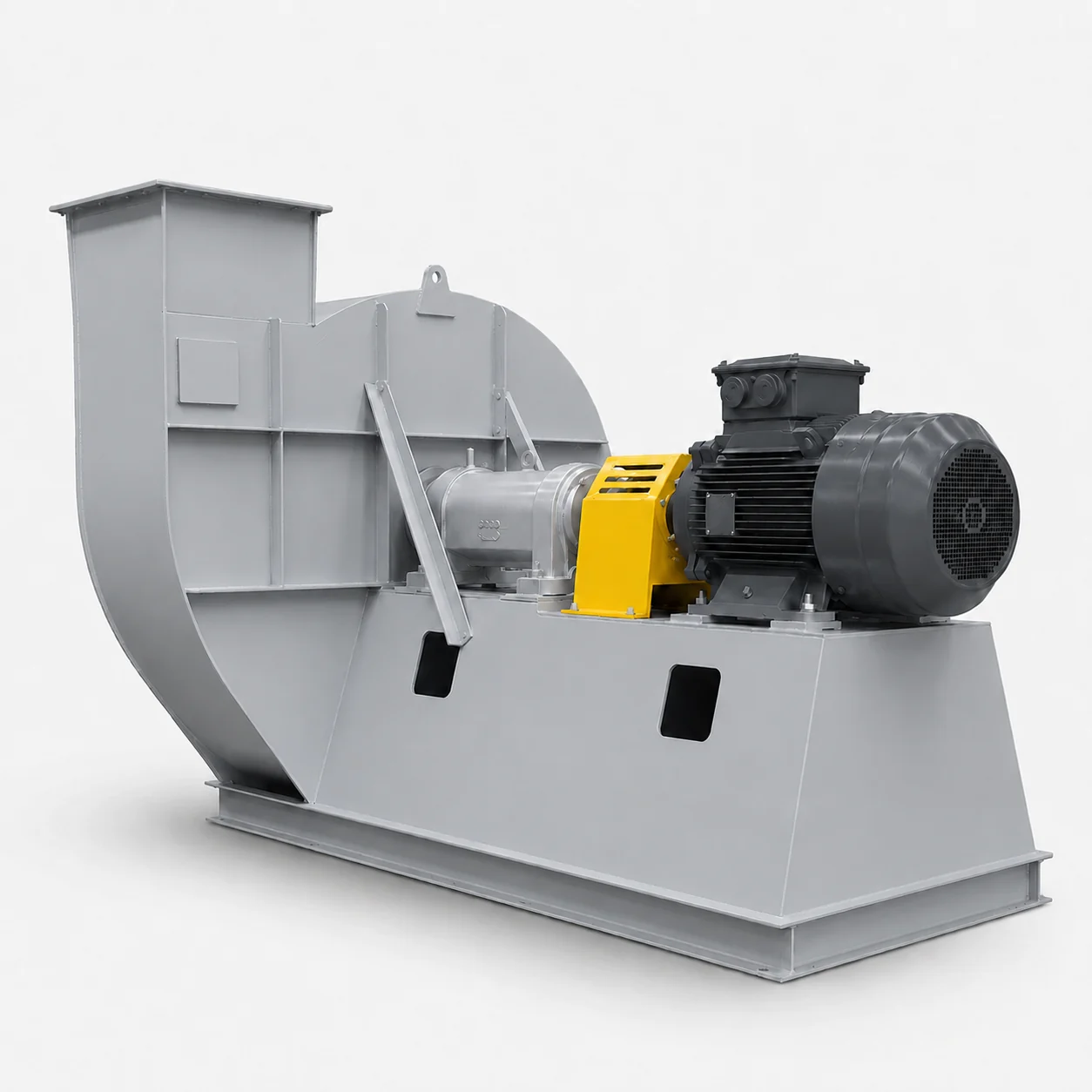 10-16 High-Pressure Fan
Heavy-duty high-pressure industrial duty. Confirm airflow and pressure at the actual working point.
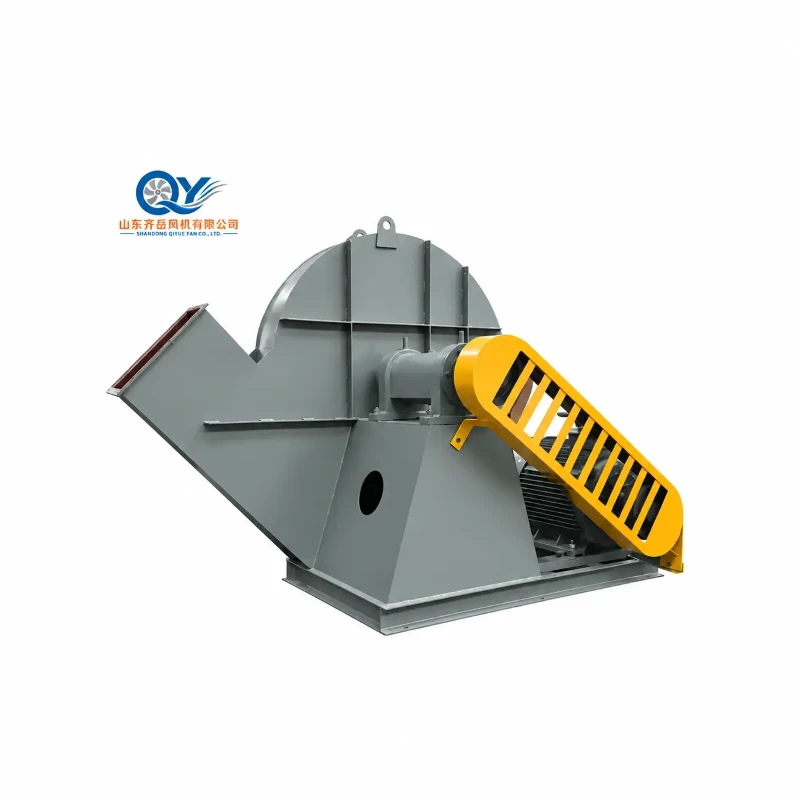 10-24 High-Pressure Fan
Higher-pressure process air / reviewed conveying direction. Confirm airflow and pressure at the actual working point.
 6-30 Process-Air Fan
A / C configurations for high-pressure process air. Confirm the operating point, medium and drive.
Check the Entire Air-System Resistance
| Check | Input Needed | Technical Meaning |
|---|---|---|
| Required airflow | Design flow and acceptable range (m³/h) | Sets volume demand at the duty point |
| Total / static pressure | Pa and basis of measurement | Compare the correct type of pressure |
| Equipment resistance | Filter, damper, nozzle, collector and duct losses | Determines working system curve |
| Gas properties | Temperature, composition, dust, humidity | Motor load and construction suitability |
| Drive and installation | Voltage, frequency, direction, outlet and foundation | Final manufacturing arrangement |
A High-Pressure Fan Is Not Automatically a Dust Fan
Untreated mineral, metal or abrasive dust may cause impeller wear, buildup and imbalance. For dust collection, review cyclone, collector, baghouse or filter position and the dust that will actually pass through the fan before assigning a high-pressure series.
Clean or suitably filtered high-resistance air, forced draft, process air and equipment supply.
Abrasive particulate flow, wet or sticky dust, corrosive process gas, elevated temperature, combustible dust or hazardous-area duty.
What Engineers Need Before Quotation
Send the required airflow and pressure, working temperature, medium, filter/duct conditions, voltage, frequency, quantity and installation direction. For replacements, include nameplates, any GA drawing and measured operating conditions. We will compare the required point against the suitable pressure-fan series.
Is the 9-19 suitable for dust collection?
It can be reviewed for higher-resistance clean-side or reduced-dust collector exhaust. For untreated abrasive dust, pre-separation and suitable materials must be considered first.
Can the model be determined from motor power alone?
No. Airflow, pressure, fan curve, gas condition and mechanical arrangement are required at the same operating point.
Does a higher maximum pressure mean better performance?
Not necessarily. The correct fan must perform near the required duty point at suitable efficiency and acceptable motor load.
Check Your High-Pressure Duty Point
Send the operating point and resistance information for an engineering-based fan proposal.