
QIYUE FAN / HOT-PROCESS EQUIPMENT
High-Temperature Fan Insulation: Agree the Supply and Access Details
A request for an “insulated fan” needs a defined installation scope. Before approving the fan drawing, agree what arrives with the equipment, what the site contractor adds and how routine service points remain accessible.
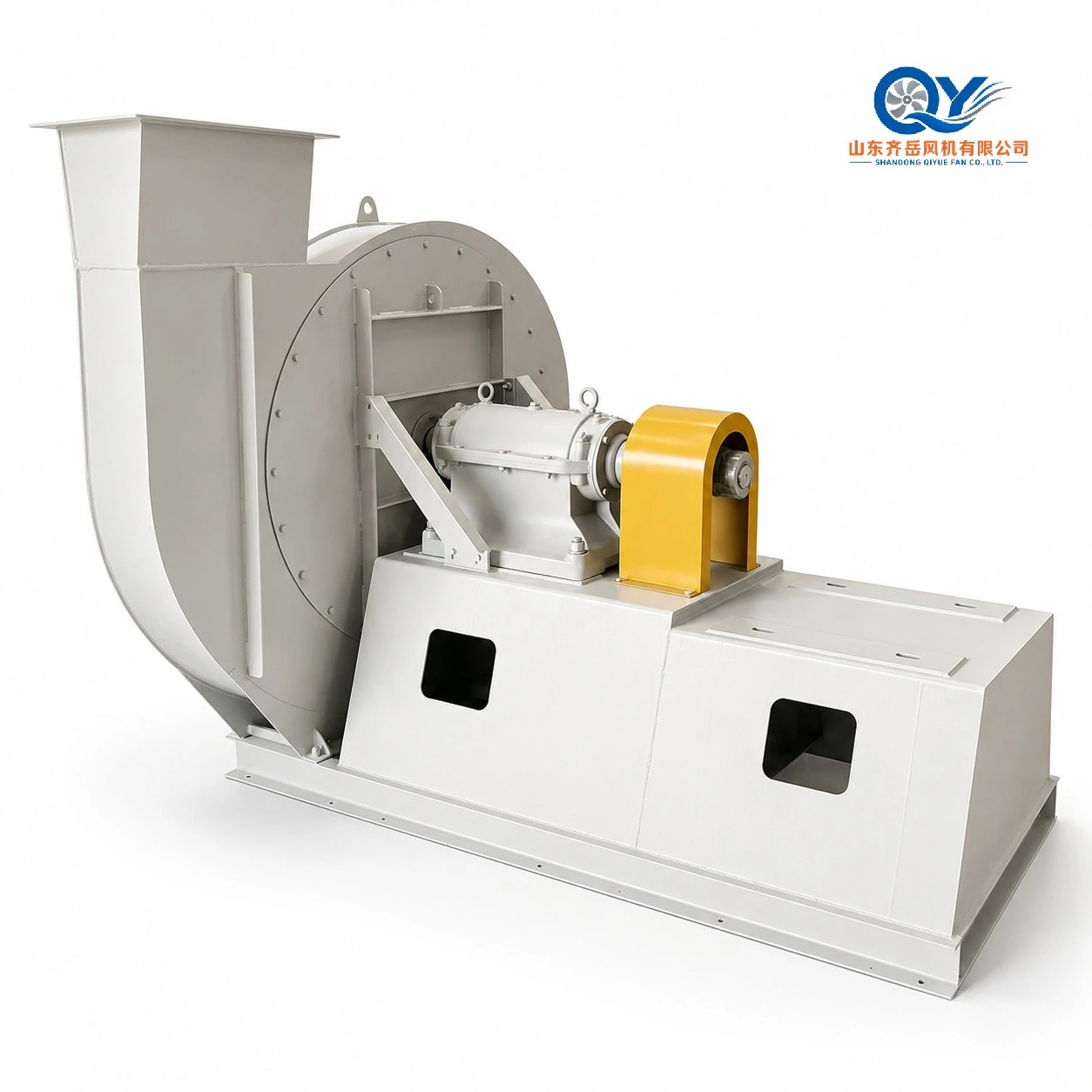
Start with the purpose
AMCA identifies personnel exposure, heat released into the surrounding area and process heat loss as reasons to consider casing insulation. Gas temperature and the air around external components are different design conditions.
Send the normal and maximum inlet temperatures, local ambient conditions and the site’s surface-protection requirement. The thermal design should be agreed with the responsible engineer; the fan’s gas-temperature rating does not define a safe touch temperature.
Put the installation boundary on one drawing
AMCA describes both factory double-jacket arrangements and site-applied insulation supported by casing pins. Where insulation is added on site, inlet extensions, raised access doors and extended drains may be needed. These details affect how the finished assembly can be installed and serviced.
Three layers to coordinate
Fan assembly → insulation package → site interfaces
The approved drawing should distinguish the supplied casing from insulation, external cladding and adjacent ducts. Keep each item’s dimensions and responsibility visible rather than hiding them inside “complete package.”
Resolve four practical interfaces before ordering
- Inspection doors and removable covers. Ask how the finished insulation will be opened and reinstated for the specified maintenance task. Identify the removal space and fastener access on the layout.
- Drains, connections and instruments. Mark the terminal positions after the proposed insulation thickness is allowed for. Confirm who supplies extensions, connection details and any removable insulation pieces.
- Drive-side access. Show the bearing, shaft, motor, guards and cooling provisions on the same review drawing. Have the manufacturer identify surfaces or openings that must remain clear; do not extend insulation over them by assumption.
- Dispatch and site completion. State whether insulation and cladding arrive fitted, loose or by others. Align this with transport protection, lifting instructions and the site’s sequence for final assembly.
Compare the complete scope, not just the fan price
For each quotation, reconcile five entries: the fan configuration; insulation and cladding supply; attachment and extension details; site installation responsibility; and the final drawings and inspection records. A lower equipment price can reflect excluded site work rather than a like-for-like saving.
Record the accepted drawing revision with the order. If the site later changes the insulation system or adds coverings, return the revised arrangement to the responsible designer and fan manufacturer before installation.
For the underlying duty, see furnace exhaust system selection. For temperature-specific fan configurations, review high-temperature industrial fans.
Technical reference: AMCA, Specifying High-Temperature Industrial Fans, particularly housing insulation and the distinction between air-stream and ambient temperature.
Discuss a hot-process fan package
Send the fan duty, temperature conditions, proposed layout and insulation scope so the equipment and installation requirements can be reviewed together.
Send your fan package requirements →