
QIYUE FAN / FOUNDRY AIR SUPPLY
Cupola Furnace Blower Selection: Separate Blast Air from Exhaust Duty
A cupola has more than one air-handling duty. Start a replacement enquiry by identifying whether the fan supplies combustion blast air or extracts furnace gas. The same melting rate does not make these fans interchangeable.
Two air paths, two different selection problems
The EPA’s foundry process description identifies combustion air entering the cupola through tuyeres, while furnace gases leave through a separate exhaust-treatment route. Hot-blast installations may recover heat for the incoming blast air. This distinction matters when a request simply says “cupola fan.”
Exhaust sideFurnace gas → specified treatment equipment → exhaust discharge
Illustrative duty separation, not a furnace layout or control diagram.
For blast-air replacement, define the required flow and pressure at the fan’s actual inlet conditions. For exhaust replacement, use the gas temperature, composition, particulate loading and treatment-system resistance. Do not transfer a clean-air blower proposal to the exhaust side.
Show where air treatment and preheating occur
Mark the blower, any intake treatment and the recuperator on the air-route drawing. State the temperature at the blower inlet separately from the hot-blast temperature delivered to the furnace. A hot-blast process does not by itself mean that every upstream component handles the final blast temperature.
Waupaca Foundry’s published project describes removing moisture from ambient blast air before preheating. It illustrates why an enquiry should disclose changes to the intake-air treatment, not just furnace capacity. Its reported savings belong to that installation and are not a predicted result for another foundry.
Where the 8-09 product range fits
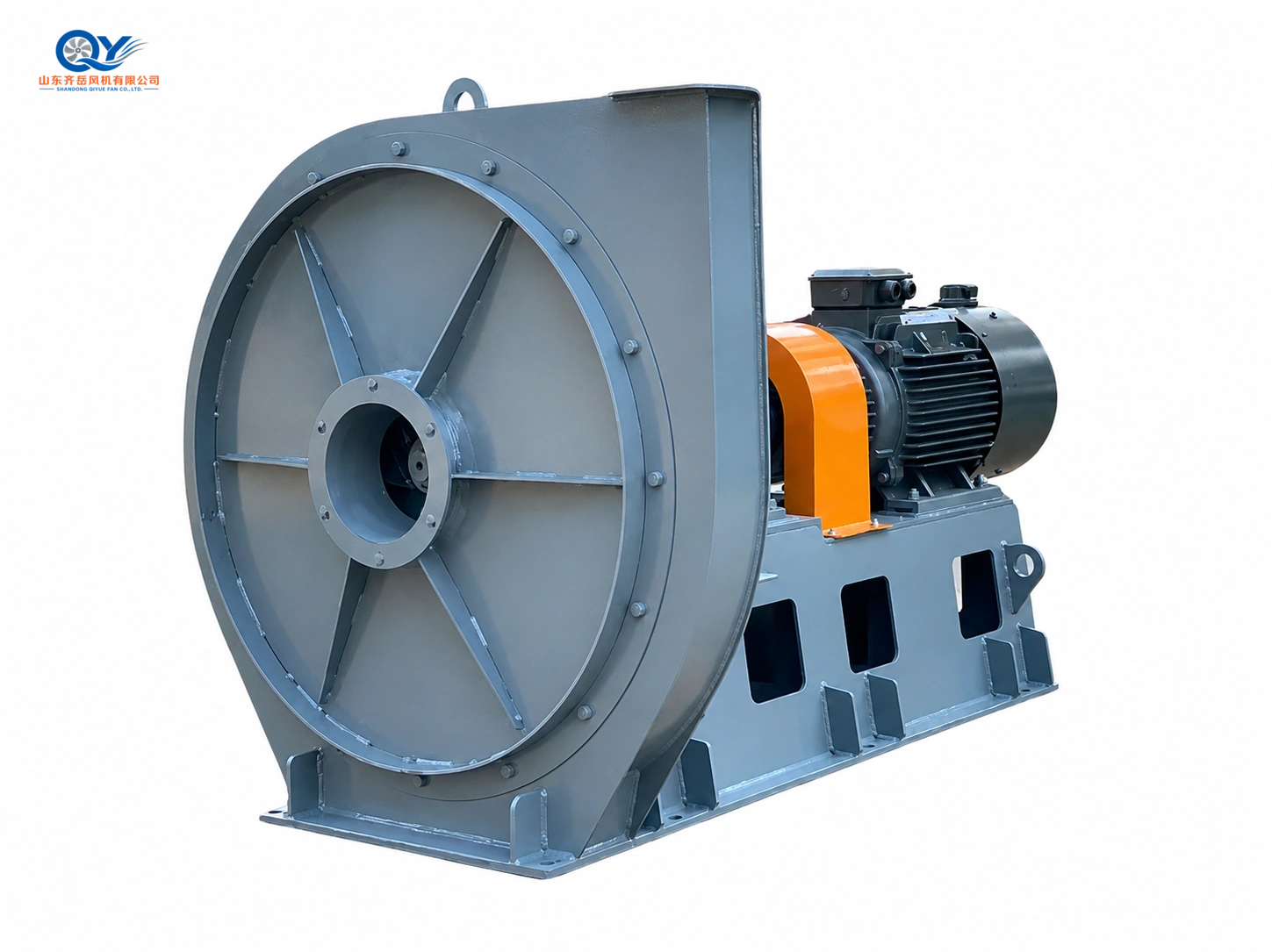
The 8-09 product page provides the documented cupola-blowing application, paired airflow–total-pressure points and installation dimensions. Use those data to screen the series against the required blast-air duty; do not choose a fan solely from tonnes per hour or motor power.
The standard product medium limit is 80°C, with further restrictions on dust and gas condition listed on the product page. Check the actual blower inlet, not the furnace temperature, against these limits. Where the duty lies outside the series, review the wider high-pressure fan range rather than stretching a catalogue point.
Make the replacement proposal comparable
Provide the existing nameplate and installation drawing together with the required blast-air flow, pressure basis, inlet temperature and electrical supply. Describe any change in air-treatment equipment, duct route or operating load. The proposal should identify the selected operating point, motor, drive, connection match and scope of site verification.
The foundry’s responsible process team should approve the combustion-air requirement and control integration. Furnace operating settings, oxygen enrichment and safety interlocks are not established by a fan quotation.
Discuss a cupola blower replacement →
Process references: EPA, Ferrous Foundry Inspection Guide, section 2.3.1.1; Waupaca Foundry, The Power of Dehumidification Systems.