
QIYUE FAN / RUBBER COMPOUNDING
Rubber Mixing Dust Extraction Fans: Define the Workstation Before the Fan
A rubber-compounding line can release dust during ingredient weighing, bag handling and mixer charging. A useful fan enquiry identifies these workstations and their extraction system, rather than relying on the room size or mixer motor power.
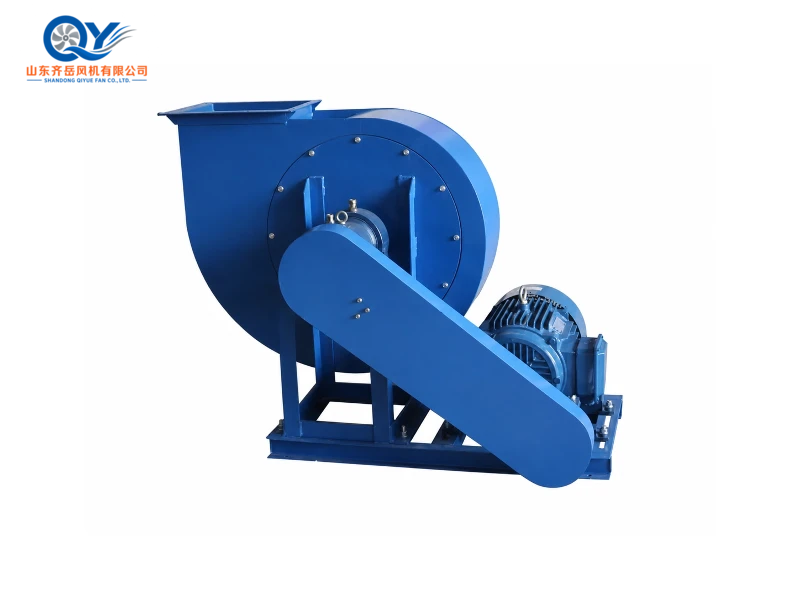
Bag handling and mixer charging need separate attention
HSE’s rubber-processing guidance treats bag opening and weighing separately from ingredient mixing. For bag handling, its RB2 sheet describes extraction at a ventilated partial enclosure. RB3 focuses on enclosing the mixer feed opening and maintaining the mixer’s seals and joints. These are capture-system decisions that should be established before a replacement fan is selected.
Provide a sketch showing which points operate together during a normal batch. Include photographs of the working arrangement, not just an empty machine. This lets the ventilation designer define the extraction demand and gives the fan supplier a consistent operating case.
Identify what reaches the fan
Ingredient dust, hot-process fume and dust from grinding cured rubber are not one interchangeable duty. HSE’s rubber process-dust guidance explicitly excludes abrasion dust from cured rubber. Name the process and provide available ingredient safety data, gas temperature, dust loading and any sticky or corrosive constituents.
Show the collector and fan position on the duct drawing. A fan downstream of a collector receives a different specified medium from one handling unfiltered extraction air. Review the dust collection fan family against the actual medium and duty point. Combustible ingredients require the project’s fire and explosion assessment to define the equipment requirements; a dust-fan model name alone does not establish suitability.
Fix the capture problem before increasing motor size
Check the existing hood or enclosure, leaking connections and collector condition before deciding that a larger fan is needed. The fan must meet the agreed airflow at the resistance of the complete system, including the collector’s specified operating range. Changing only the motor does not establish capture at a workstation.
Include the existing fan nameplate, measured duty where available, collector pressure information, duct dimensions and branch arrangement. Identify whether the project adds a workstation, changes a formulation or replaces the fan without changing the process. Use the collector and fan-position guide to organise the air-side information.
Agree the acceptance scope with the ventilation team
HSE highlights effective extraction, a practical airflow indication, clean replacement air and safe discharge positioning. Include these system responsibilities in the project discussion. The responsible ventilation specialist should define and verify exposure control at the workstations; the fan supply should be checked against the selected airflow, pressure, construction and installation interface.
A clear enquiry can start with the workstation sketch and existing equipment photos. Missing pressure data can be identified during review rather than replaced with an arbitrary motor-size estimate.
Discuss a rubber-compounding extraction fan →
Technical references: HSE RB2: Bag opening and weighing, RB3: Mixing ingredients, and Safe to Breathe.