
4-72 Type FRP Corrosion-Resistant Centrifugal Fan
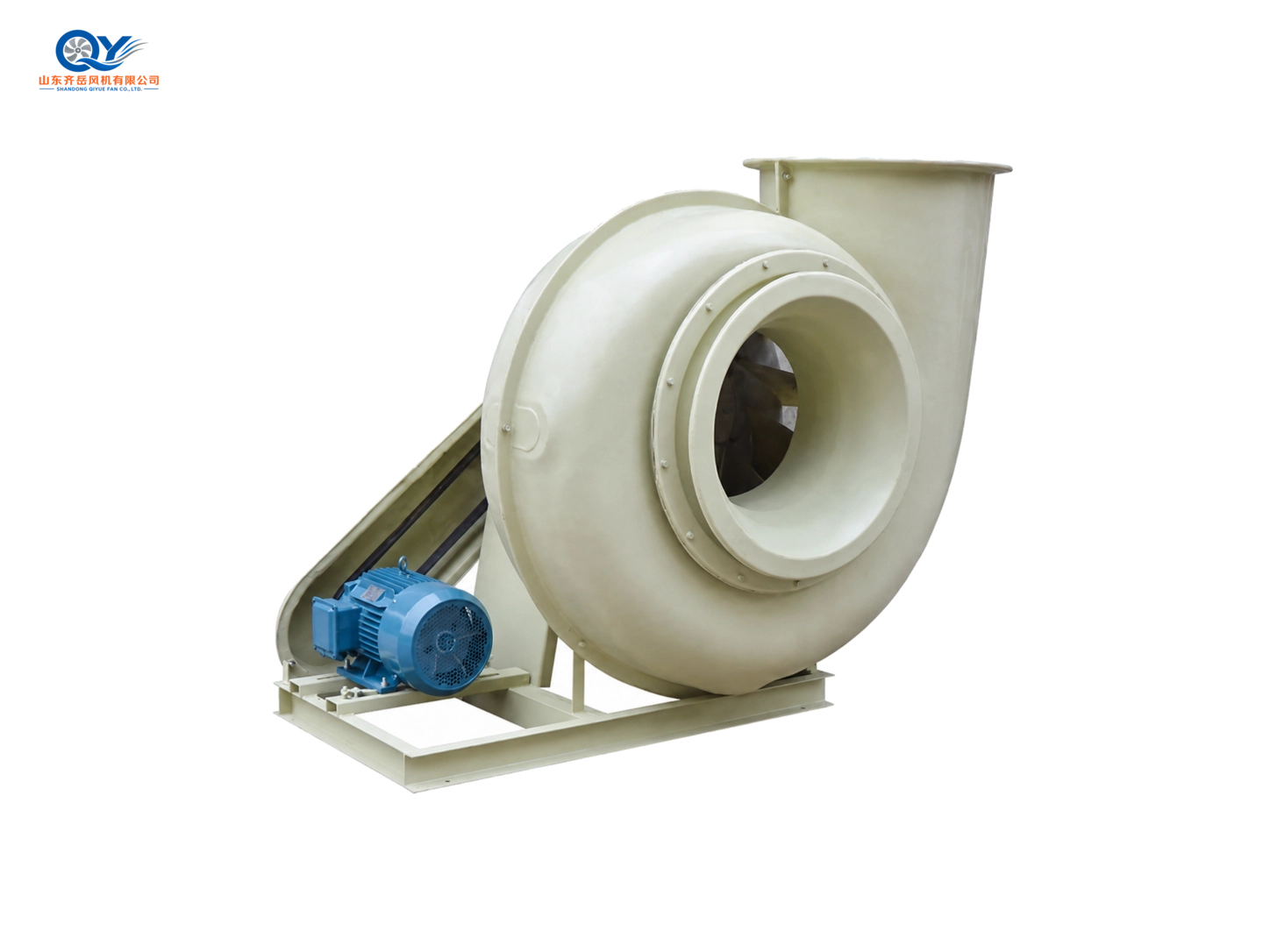
4-72 Type FRP
Corrosion-Resistant Fan
The 4-72 Type FRP corrosion-resistant centrifugal fan is designed for corrosive gas exhaust, acid mist ventilation, humid industrial air handling and chemical process exhaust systems.
FRP air-contact components help protect the fan from corrosion risk in chemical plants, wastewater treatment, electroplating workshops, pickling lines and laboratory exhaust systems.
FRP Fan for Acid Mist, Humid Gas and Chemical Process Exhaust
This FRP centrifugal fan is used when ordinary carbon steel fans may face corrosion risk from acid mist, humid exhaust, chemical fumes or process gas. The key selection issue is not only airflow and pressure, but also the gas composition and corrosion level.
Air-contact components can be made with FRP material to improve resistance against corrosive exhaust conditions. It is suitable for chemical plants, wastewater treatment deodorization, electroplating exhaust, pickling workshop ventilation, laboratory exhaust and similar industrial ventilation systems.
Before quotation, QIYUE FAN reviews medium composition, acid or alkali concentration, humidity, temperature, dust content, airflow, pressure and installation direction to avoid unsuitable material selection.
Where the FRP Fan Works in a Chemical Exhaust System
In corrosive gas ventilation, the fan is part of a complete exhaust route. Scrubber resistance, duct material, gas composition and discharge direction should be reviewed together.
Acid mist, alkali gas, humid exhaust or chemical fumes.
Pressure loss and material compatibility must be checked.
Provides corrosion-resistant airflow and pressure.
Outlet angle and stack route should match site layout.
Confirm Gas Composition Before Selecting FRP Configuration
Prepare a medium-condition record for the proposed fan location. Keep the operating data separate from the requested material name: “FRP” alone is not a compatibility confirmation.
Gas and liquid exposure
- Gas constituents and acid or alkali concentrations
- Humidity and any mist or condensate expected at the fan
- Dust content and other entrained material
Operating and system context
- Gas temperature and the stated operating condition
- Fan position in relation to the scrubber and duct route
- Airflow, pressure basis and installation direction
Evidence and open items
- Identify the source of each value: process data, measurement or a project requirement
- Mark unavailable concentrations or operating conditions as pending
- Request confirmation of the proposed FRP configuration against that specific medium record
These fields support review, not an approval of a resin system, temperature limit or chemical compatibility. For a component-by-component material scope, use the Corrosion Resistant Fans material-scope guide rather than assuming every supplied part has the same construction.
FRP Corrosion-Resistant Fan Performance Range
The following table is for preliminary selection. Final model selection should be confirmed by airflow, total pressure, gas composition, corrosion level, humidity, temperature, duct layout and installation conditions.
| Model | Speed | Total Pressure | Air Volume | Power | Selection Meaning |
|---|---|---|---|---|---|
| 2.8A | 2900 r/min | 606-994 Pa | 1131-2356 m³/h | 1.5 kW | Small corrosive exhaust point |
| 3.2A | 2900 r/min | 792-1300 Pa | 1688-3517 m³/h | 2.2 kW | Compact acid mist exhaust |
| 3.6A | 2900 r/min | 989-1758 Pa | 2664-5268 m³/h | 3 kW | Small process exhaust line |
| 4A | 2900 r/min | 1320-2014 Pa | 4012-7419 m³/h | 5.5 kW | Chemical workshop exhaust |
| 5A | 2900 r/min | 2019-3187 Pa | 7728-15455 m³/h | 15 kW | Higher-pressure corrosive ventilation |
| 6C | 1800 r/min | 1116-1760 Pa | 8288-17056 m³/h | 7.5 kW | Medium-volume humid exhaust |
| 8C | 1600 r/min | 1816-2303 Pa | 24982-32380 m³/h | 30 kW | Centralized corrosive gas exhaust |
| 10C | 1250 r/min | 1877-2373 Pa | 34863-48797 m³/h | 37 kW | Large process ventilation system |
| 12C | 1000 r/min | 1969-2185 Pa | 48195-60397 m³/h | 45 kW | Large airflow corrosive exhaust |
Note: FRP material suitability should be reviewed according to real gas composition and concentration. Do not select only by airflow and pressure.
Typical FRP Corrosion-Resistant Fan Applications
Chemical Plant Exhaust
Corrosive process gas exhaust after reviewing gas composition and temperature.
Acid Mist Ventilation
Used for acid mist extraction from process tanks, workshops or treatment systems.
Wastewater Treatment Deodorization
Handles humid and corrosive exhaust from wastewater treatment areas.
Electroplating Workshop Exhaust
Supports exhaust systems exposed to acid, alkali or plating process fumes.
Pickling Line Ventilation
Used where pickling fumes require corrosion-resistant air-contact components.
Laboratory Exhaust System
Suitable for laboratory ventilation after confirming gas type and safety requirements.
Continue by Corrosive Gas System or Fan Type
Before comparing materials, identify the fan’s position and the gas condition at its inlet using the corrosive exhaust system guide. Use the fan material screening guide to distinguish chemical compatibility from temperature, wear and structural requirements. FRP is a candidate for review, not a universal corrosion solution.
Compare 304 Stainless Steel Corrosion-Resistant Centrifugal Fan as another material route, or return to the Corrosion-Resistant Fans range. Confirm the gas composition and wetted-part material before selection.
FAQ About 4-72 Type FRP Corrosion-Resistant Centrifugal Fan
What is the 4-72 Type FRP corrosion-resistant centrifugal fan used for?
It is used for corrosive gas exhaust, acid mist ventilation, humid industrial air handling, chemical plant exhaust, electroplating workshop ventilation and wastewater treatment deodorization.
Why use FRP material for this fan?
FRP air-contact components help improve corrosion resistance when the exhaust contains acid mist, humidity or chemical fumes.
What should be checked before FRP fan selection?
Gas composition, acid or alkali concentration, temperature, humidity, dust content, airflow, pressure, duct route and installation direction should be checked before selection.
Can this FRP fan replace a normal 4-72 ventilation fan?
It can be considered when the 4-72 airflow structure is suitable but the working medium requires corrosion-resistant air-contact material. Clean air projects can use standard 4-72 fans instead.
Send Your Corrosive Gas Exhaust Parameters
Share airflow, total pressure, gas composition, acid or alkali concentration, temperature, humidity, dust content, duct layout, outlet direction, rotation and quantity. QIYUE FAN will review whether the FRP corrosion-resistant fan fits your project.
Hot Tags: 4-72 type frp corrosion-resistant centrifugal fan, China 4-72 type frp corrosion-resistant centrifugal fan manufacturers, suppliers, factory
Send Your Operating Conditions
Airflow, pressure, gas medium, temperature, voltage and quantity.