
QIYUE FAN / TECHNICAL GUIDES
Baghouse Fan Retrofit After Filter Change: Pressure, Airflow And Motor Checks
In This Guide
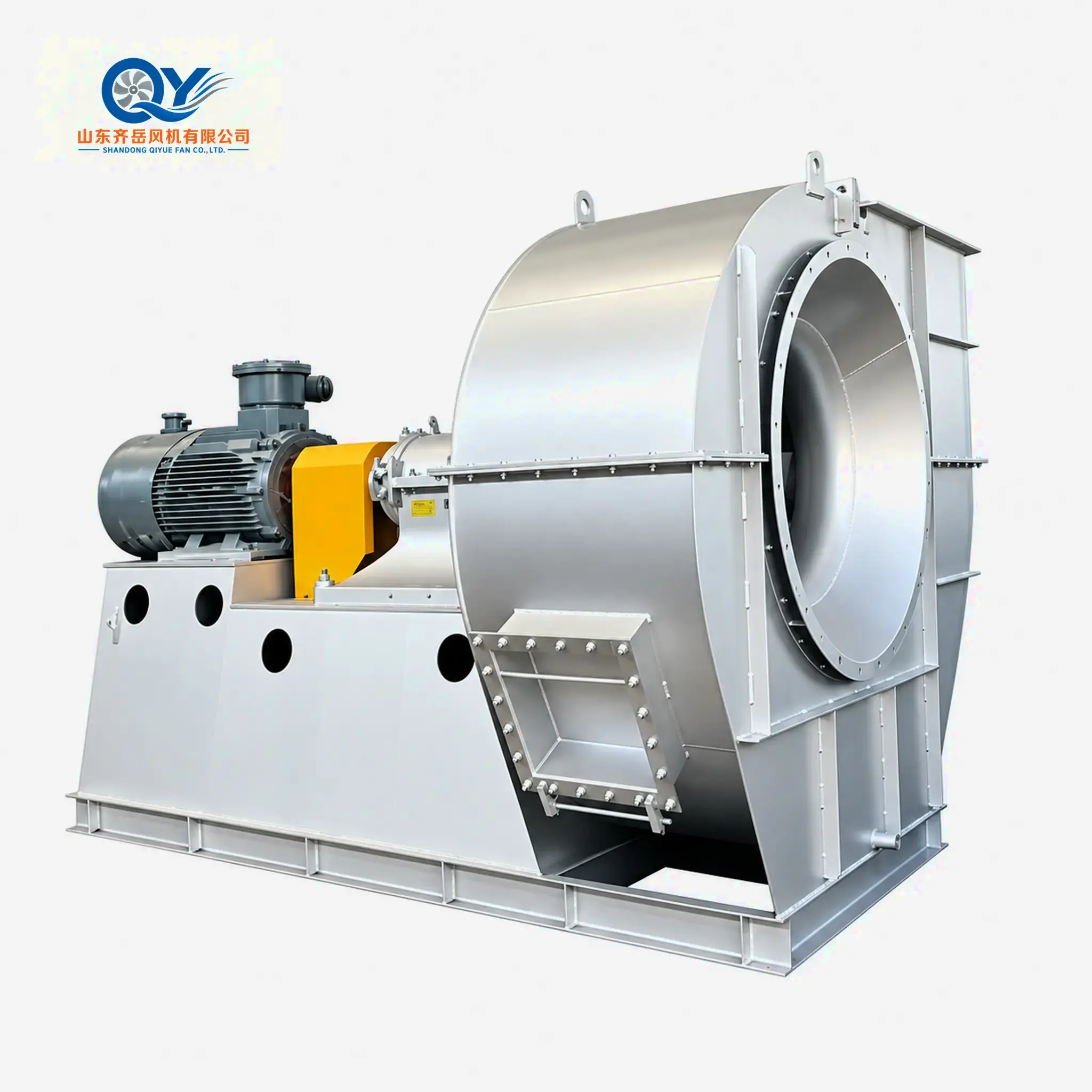
01 Record the filter and process change02 Compare the same operating point03 Check the system before changing the fan04 Decide whether a retrofit is justified05 Data to prepare for a supplier review06 Frequently asked questions07 Related referencesAfter filter bags, cartridges or cleaning settings are changed, a baghouse may operate at a different system resistance. The direction and size of the change depend on the media, dust loading, cleaning cycle and duct arrangement. A baghouse fan retrofit review should begin with comparable before-and-after readings, not an assumption that the fan is automatically too small or too large.
01. Record the filter and process change
Write down the old and new media type, dimensions, number of elements, filter area if known, cleaning method and any change to the inlet, outlet, hopper or ductwork. Record the process that creates the dust, its operating state and the time since the filter cleaning cycle. If the change included a new fan control set point or damper position, include that too.
02. Compare the same operating point
Use the plant’s approved measurement points and units. Record baghouse differential pressure, fan inlet or outlet pressure where measured, airflow or a validated process indicator, fan speed or VFD setting, damper position, motor current or power and process load. Compare readings at similar production and cleaning conditions. A filter differential-pressure reading is not interchangeable with the fan’s static or total pressure.
03. Check the system before changing the fan
- Confirm that pressure taps, gauges and airflow instruments are functioning and located as intended.
- Check for a blocked inlet, leaking access door, damaged duct joint, closed damper, obstructed screen or a changed branch connection.
- Review the filter cleaning sequence and verify that the new media and cleaning parameters match the approved design basis.
- Compare actual speed and damper settings with the fan curve and original commissioning point.
- Inspect inlet and outlet arrangements for new elbows, transitions or obstructions that could alter field performance.
Changes near the fan inlet or outlet can affect how the fan sees the system. Use the applicable fan curve and the installed system resistance together; do not use a free-air flow rating as the baghouse operating airflow.
04. Decide whether a retrofit is justified
Consider a fan, wheel or drive change only after the required process airflow, pressure basis and operating range have been verified. Check the selected operating point against the fan and motor limits and the project’s control strategy. Any physical inspection or adjustment must follow the site’s energy-isolation and permit procedures and be performed by authorized personnel.
05. Data to prepare for a supplier review
Copyable Before-and-After Review Record
Use one record for each baghouse and fan. Keep unknown values marked as unknown; do not substitute catalogue maxima for site readings.
- Equipment ID and filter change date:
- Old / new filter specification and change made:
- Before reading: date, production load and time since cleaning:
- After reading: date, production load and time since cleaning:
- Baghouse differential pressure: before / after, units and tap locations:
- Fan pressure: before / after, static or total basis and measurement location:
- Airflow: before / after, units, method and measurement location:
- Fan speed, damper position and motor current or power: before / after, with units:
- Gas temperature and any changed duct, branch or control setting:
- Attached fan curve, nameplates, filter documents and dated photos:
If the production load, measurement location or cleaning state differs, flag the comparison as non-equivalent. This record supports a supplier review; it is not permission to increase speed or modify the operating system.
- Before-and-after filter specification and baghouse drawing.
- Process gas temperature, dust characteristics and operating cycle.
- Measured differential pressure, airflow, speed, damper and motor data with dates and conditions.
- Current fan curve, motor nameplate and drive/control information.
- Photos of the fan inlet, outlet, filter arrangement and any changed ductwork.
Boiler Projects: Add a Draft-System Handoff
For a boiler baghouse upgrade, the filter-change record is only one part of the review. Identify the boiler air and flue-gas route and the responsible boiler/control specialist before proposing an ID fan change.
Filter media only, complete collector, duct route, or control scope?
Compare load, gas condition, pressure boundaries and equipment identity.
Fan selection, boiler draft/control review and commissioning acceptance.
Review workflow, not a process-flow diagram or operating instruction.
- Boiler context: fuel, operating load and applicable equipment tags; identify the FD and ID duties rather than treating them as interchangeable fans.
- Draft evidence: original furnace-pressure requirement and available readings, with units, measurement locations and operating state. Do not use collector differential pressure as furnace pressure or fan pressure.
- Changed boundaries: provide the old/new collector loss data, included housing or connection losses, duct changes and design loading condition. Keep design values separate from measured values and do not add a clean baseline to a total loaded-filter loss.
- Control responsibility: identify the boiler/burner control owner, existing FD/ID control arrangement and which documents require their review. Record unavailable information rather than inferring new setpoints.
- Acceptance plan: request the responsible parties’ approved performance and combustion/draft checks for the modified system. A fan supplier’s selection alone does not approve burner settings, interlocks or commissioning.
Background: the National Board discussion of combustion-air supply explains why added flue-side resistance and draft-control conditions can affect fan performance. Use current manufacturer and project requirements; this historical article is not a current-code checklist.
Continue with the boiler duty and evidence guide, the complete boiler ID system, or boiler ID fan product families.
Frequently asked questions
Will new filter bags always increase pressure drop?
Not always. The result depends on the filter media, dimensions, loading, cleaning system and measurement conditions. Compare actual readings on the same basis.
Can I correct low airflow by opening the damper?
Do not make a change before checking the fan operating range, motor load and process requirements. A damper adjustment may move the operating point but will not repair a leak, blockage or unsuitable fan duty.
When should the fan be resized?
After confirming the required airflow and pressure at the updated system condition, and after evaluating the current fan curve, drive, motor and installation arrangement.
Related references
For the underlying pressure basis and fan position, read baghouse fan selection and filter-loss boundaries. Use this retrofit record for the change evidence, rather than treating filter differential pressure as the complete fan duty.
For the complete capture, duct and collector arrangement, return to the industrial dust collection system. Compare the dust collection fan range once the revised duty and fan-inlet conditions are established.
- Dust collection system airflow calculation
- How to read an industrial fan performance curve
- Static pressure vs. total pressure in industrial fans
- U.S. Department of Energy: Fan Systems
Planning a baghouse retrofit? Send the filter change record, fan curve and comparable field readings to sales@qiyuefan.com for a project-specific discussion.