
QIYUE FAN / MOTOR PROCUREMENT
Fan Motor Selection for High Altitude and Hot Ambient Conditions
Separate the gas passing through the fan from the air around the motor. A corrected fan curve does not, by itself, confirm the motor’s available output at the installation site.
Select the motor against the site conditions and the fan’s required load. The proposed motor manufacturer should confirm available output for that duty.
Two temperatures, two different reviews
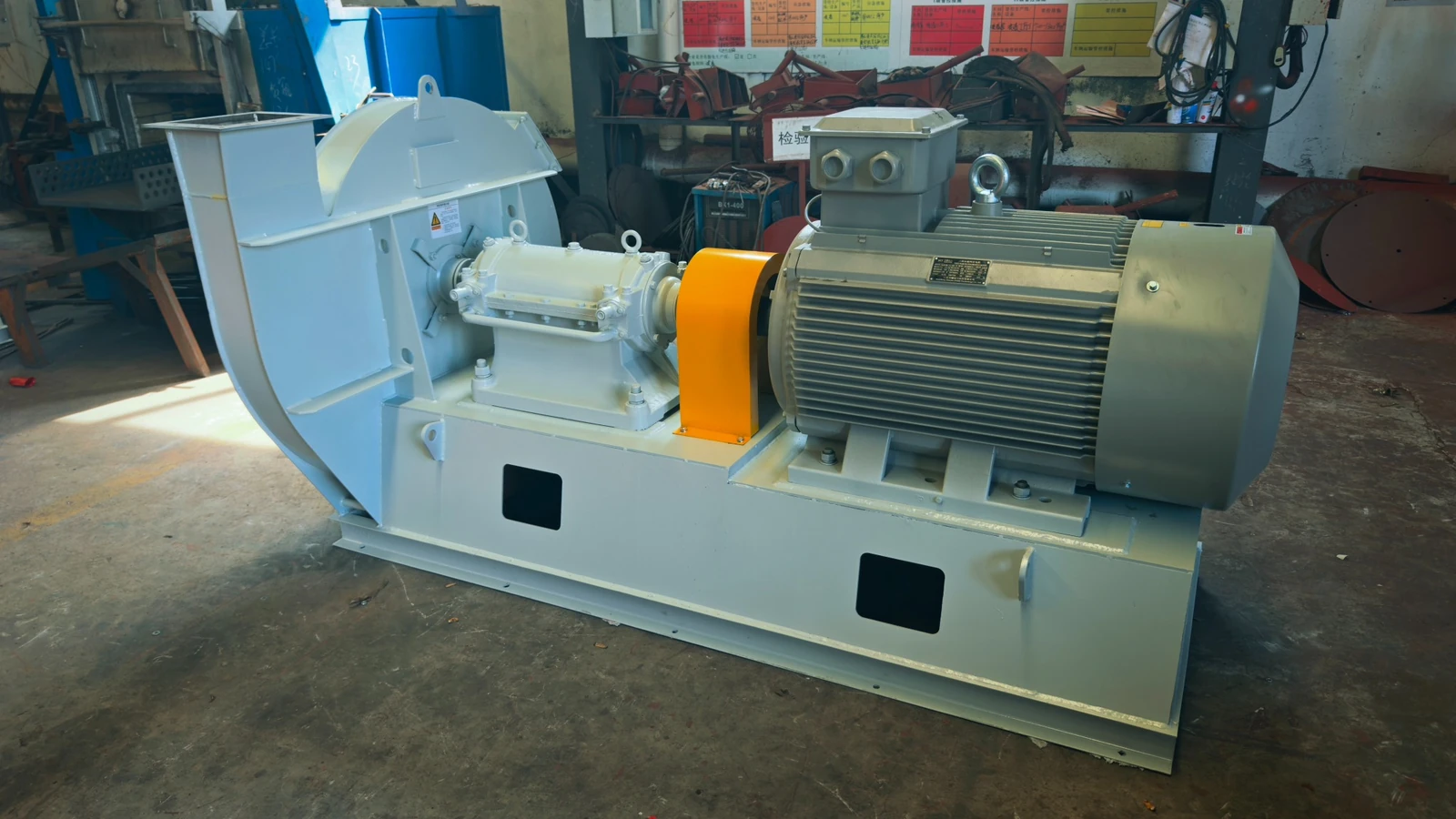
- Process gas at the fan
- Record inlet temperature, gas composition, flow basis and pressure basis. These belong to the aerodynamic and gas-contact equipment review.
- Ambient air at the motor
- Record conditions where the motor actually operates, including nearby heat sources, enclosure or room conditions and seasonal extremes. Do not copy the process-gas temperature into this field.
Why altitude and ambient belong in the motor enquiry
WEG’s Electric Motors Specification Guide discusses reduced cooling at altitude and the combined effect of ambient temperature and altitude on useful motor output. Its reference conditions and correction tables are tied to its stated assumptions. Use the selected motor manufacturer’s correction data.
For purchasing, request a written suitability statement for the exact proposed motor, the stated installation altitude and the stated ambient range. If the offer relies on derating, a special design or a different motor, ask the supplier to identify that basis and the associated document revision.
Give each operating case a complete record
A single maximum temperature can hide the conditions the reviewer needs. Identify normal operation, any relevant start-up case and other specified operating cases. Label whether values are measured, specified or still provisional.
- Fan requirement: attach the supplier selection or curve reference, flow and pressure basis, speed and gas condition for each case. Do not reuse a shaft-power figure from a different case without confirmation.
- Motor environment: provide site elevation, the expected ambient range at the motor and the installation location. Explain whether the motor is indoors, outdoors or inside another enclosure.
- Electrical and operating scope: state voltage, frequency, phase, starting/control method, operating duration and intended speed range. Ask for explicit confirmation of any variable-speed requirements.
- Changed equipment: if an alternative motor is proposed, request confirmation of mounting, drive alignment, complete assembly envelope and any revised documentation. Do not assume a higher kW option is a drop-in replacement.
Start the enquiry with the site and load
Send the installation altitude, ambient temperature range at the motor, fan selection or operating readings, and electrical supply. For an exposed location, add a photograph and review the outdoor fan package requirements.
Full environmental-duty handover record
Use this record when comparing the proposed motor and finalizing the installation.
Equipment tag / fan selection revision:
Installation site elevation and unit:
Motor installation location:
Ambient temperature range at the motor:
Nearby heat sources / enclosure conditions:
Process-gas temperature and measurement location:
Operating cases and duration:
Fan shaft-power / speed record for each case:
Voltage / frequency / phase / control method:
Proposed motor model and rating document:
Confirmed available output at stated site conditions:
Manufacturer confirmation / assumptions / revision:
Changed mounting or drive interfaces:
Unresolved requirement / owner / written disposition:
What makes an offer ready to compare?
Look for a consistent chain: the same operating cases appear in the fan selection, motor proposal and environmental confirmation. If one supplier leaves altitude or motor ambient blank, treat that point as unresolved rather than silently assuming equivalence.
Do not turn a document review into an instruction to change overload protection, motor wiring or drive parameters. Electrical changes and commissioning belong to qualified personnel following the applicable equipment and site requirements.
Continue the right review
Use the gas-temperature and fan-performance guide for the process side, and the motor frequency and speed guide for supply-frequency questions. If the installed machine already has high current, use the motor-overload investigation guide rather than assuming environmental derating is the only cause.
For a new enquiry, send the fan duty and motor-site conditions together. Missing values can be listed for confirmation before the proposal is finalized.
Official reference
WEG: Specification of Electric Motors, sections 8.1–8.3, printed page 44. Apply the correction data and installation requirements for the selected motor.
Keep the confirmed fan duty, motor selection and site conditions together in the project handover record.