QIYUE FAN / REPLACEMENT COMPONENTS
Industrial Fan Coupling Replacement: Identify the Complete Connection
A replacement coupling must connect the motor and fan shafts, transmit the required load and fit within the existing assembly. Start with the coupling identification and both shaft interfaces, not motor power alone.
Decide what the order needs to replace
The same enquiry can mean a flexible element, one hub or a complete coupling. Identify the damaged or required component explicitly so the quotation does not leave out the mating parts.
Flexible element only
For a coupling that uses an elastomer element, record its manufacturer, series, size, material and hardness designation. Photograph the markings and retain the original part reference. A matching colour or approximate outside diameter is not a complete specification.
One hub or half
Identify which shaft it fits and the mating half that will remain. Supply the bore, keyway or clamping connection details and the part drawing. A replacement must be compatible with both the shaft and the retained coupling components.
Complete coupling
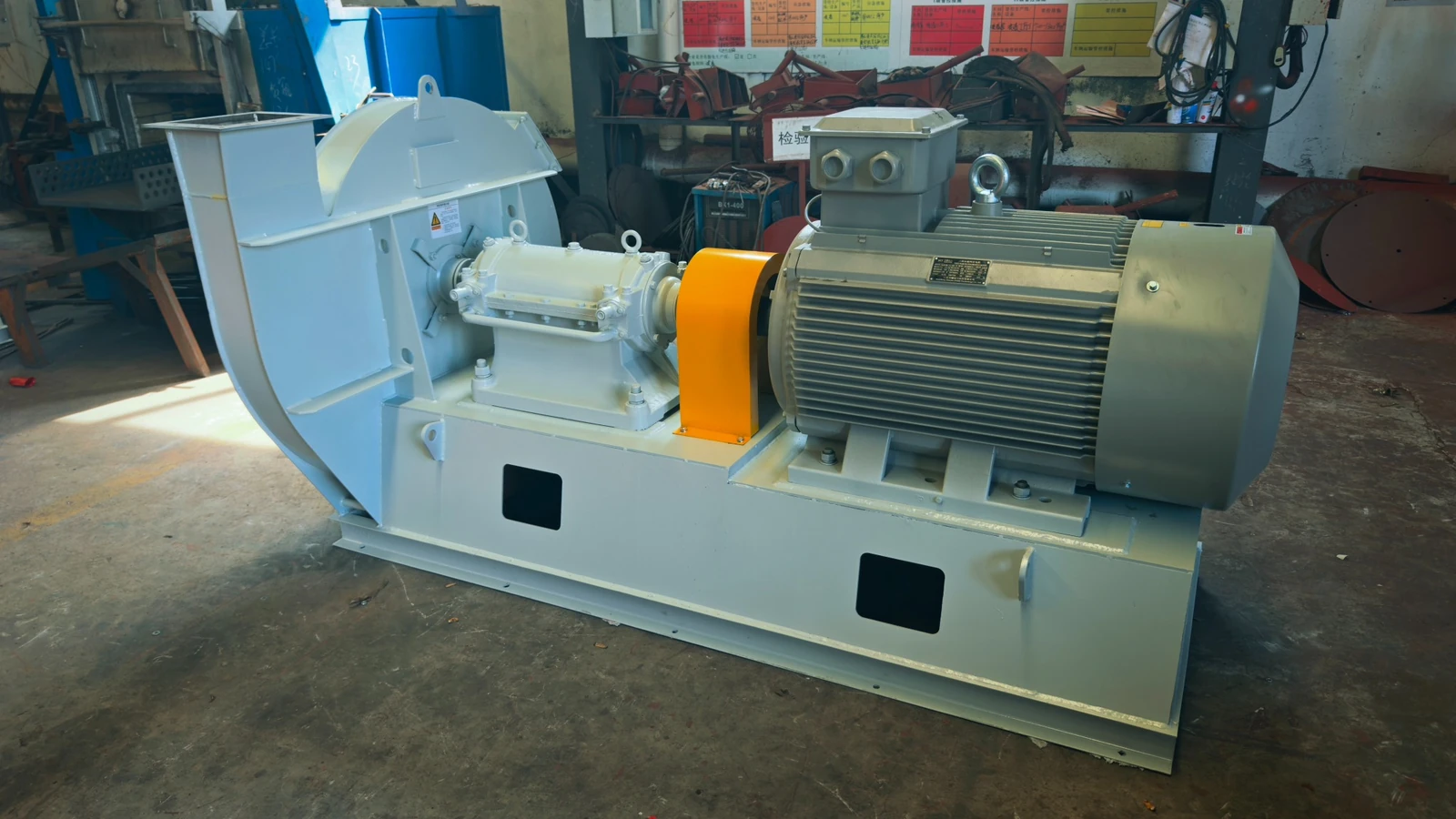
Record both shaft interfaces, the distance between shaft ends, the available overall envelope and the guard arrangement. Include any spacer, brake component or special connection present on the installed equipment.
Dimensions and rating answer different questions
Dimensions establish whether the part can fit. Load, speed and operating conditions establish whether it is suitable. KTR’s ROTEX clamping-ring hub catalogue, for example, lists bore limits and component dimensions separately from torque ratings for different spider hardnesses. These are model-specific relationships, not interchangeable ratings for every flexible coupling.
Attach the motor and fan records, operating speed range and starting or variable-speed arrangement. Ask the supplier to identify the selected coupling and its rating basis. If the motor, speed, shaft or operating duty has changed, make that change visible instead of describing the job as a like-for-like spare.
Two shaft records prevent a one-sided match
Label the motor side and fan side on the same sketch. For each side, include the shaft diameter, usable extension length, key or clamping detail and the hub position. Add the assembly drawing where available; a single measurement of one shaft cannot describe both interfaces.
Keep the drive arrangement and removal space in view. A different hub length or spacer design can change how the motor or guard is removed for service.
Check the cause before repeating the order
When the enquiry follows repeated element damage or vibration, include when the symptom occurs, recent maintenance and any alignment or operating records. The replacement-part enquiry and the cause investigation are separate tasks. Use the fan vibration guide to organize the wider investigation.
Inspection beneath a guard requires safe isolation. Installation, alignment and restart must follow the selected coupling and fan instructions; reinstall the guarding before operation.
Send a coupling replacement enquiry
Share the existing part designation, photographs, both shaft interfaces and the required replacement scope. Add the motor rating, running speed, operating conditions and quantity. Where identification is incomplete, send the available records first so the missing dimensions can be defined.
Related: fan replacement and spare parts · bearing identification
Technical reference: KTR ROTEX clamping ring hubs, technical data. Check the exact installed coupling series and its manufacturer’s instructions for component compatibility.